
Your Area Guide

Marina Alta
One of the most well-liked locations for tourists and expats to rent or buy in the area is Marina Alta in the Northern Costa Blanca. It’s a coastal region with appealing inland possibilities and a great way of life. With more than 180,000 people living there, the Marina Alta region provides more than 750 km of breathtaking landscape.
It is located within the Comunidad of Valencia in the Province of Alicante. Situated in an advantageous geographic location on Spain’s most easterly tip, Marina Alta, sometimes called North Costa Blanca, offers among of the world’s healthiest climates and the best year-round sunshine.
It provides countless opportunities for people who wish to investigate this amazing region including Denia, Javea, Moraira, Calpe and the neighbouring areas.
With a rich history, the Marina Alta is a secret paradise that offers the finest that Spain has to offer. As far as the eye can travel, pristine white sand beaches are surrounded by lush farmland, castles, quaint whitewashed fishing villages, and green mountains.
Denia:
The majestic castle in Denia, the capital of this province, dates back to the Muslim Arabs who ruled over it from the eighth to the thirteenth centuries. Denia is located midway between the airports in Alicante and Valencia. Also, it boasts a sizable port from which ships depart daily for the Balearic Islands, which include Majorca, Menorca, and Ibiza.
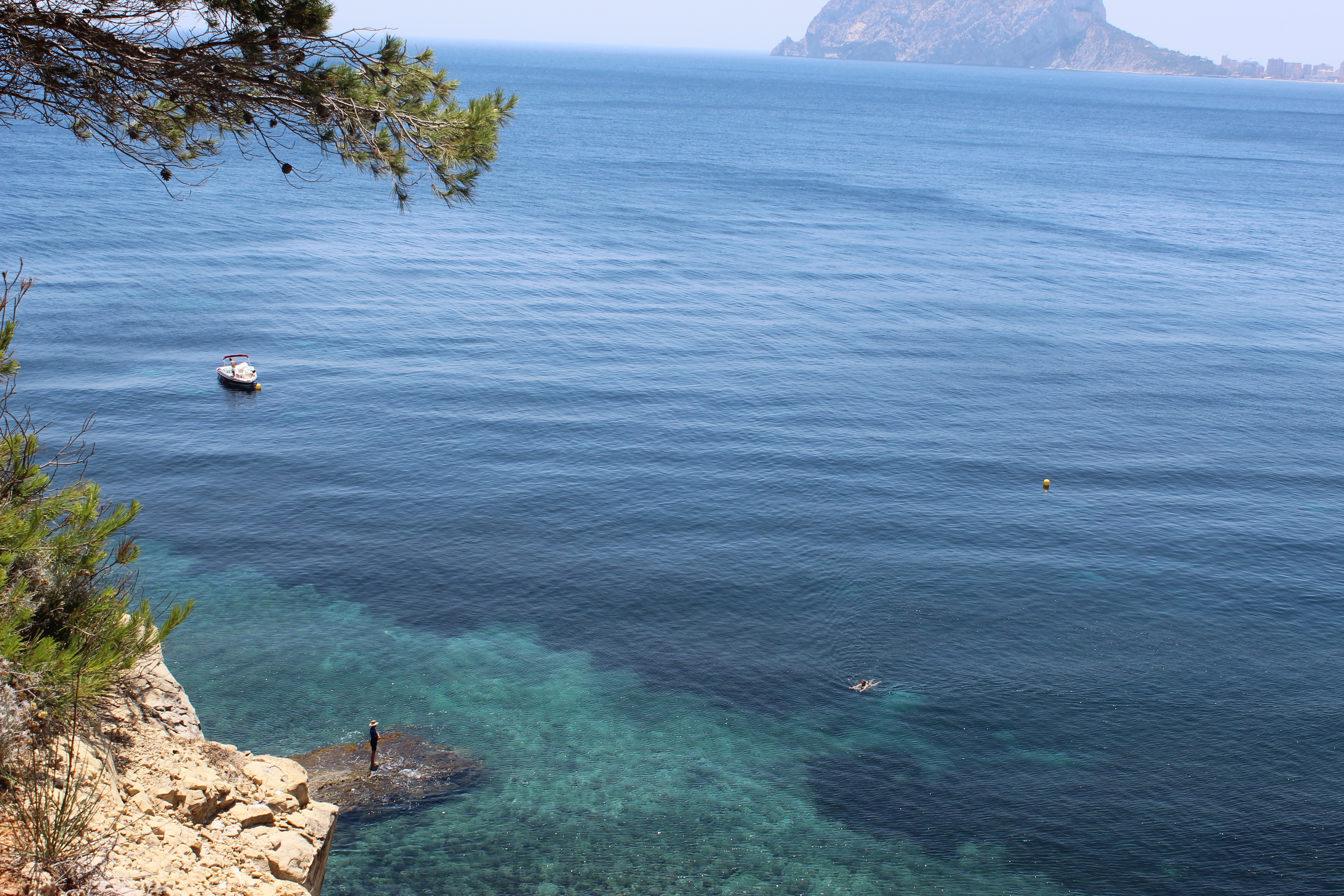
Another prominent feature in the skyline is the Montgo mountain, which is well-known for its cliffs, caves, and natural harbours.
The restoration of the agro-food cultural legacy, the education of younger chefs, the partnerships between various players in the food chain, and the creation of creativity hubs that expand opportunities for professionals and creators have been the cornerstones of Dénia’s designation as a UNESCO Creative City of Gastronomy.
Javea:
It’s commonly claimed that Montgó, from the Javea side, resembles the head and trunk of an elephant. Old Town, the Port area, and Arenal are the three main hubs of Javea, which is one of the most popular travel destinations for foreign visitors.
The old town of Javea boasts a fascinating historical centre. This section of Javea still maintains its mediaeval street plan, which consists of a system of small, winding streets with white facades, luminous patios, arched portals, Gothic windows, grilles, and wrought iron balconies, all covered in the local “rough stone.” We can travel back in time by strolling through these streets.
A variety of eateries and pubs can be found near The Port’s waterfront, offering views of the little harbour and across the bay. Arenal is situated next to the Port and is divided by several beaches. The town of Arenal is built around an inlet that has a broad, sandy beach, a variety of restaurants, bars and a bustling promenade inside a larger bay.
In 1986 the World Health Organisation recommended the climate of the area as one of the most equitable in the world.
Moraira:
After touring historic Benissa, which has one of the biggest churches in the area, you may take a car down to Moraira, which lies on the seaside. The town itself has grown from a sleepy fishing hamlet to a popular vacation spot while managing to hold onto its significant charm and draw tourists from all over Europe. Additionally, Spanish vacationers from Madrid and Valencia are big fans of it.
Moraira boasts a striking marina, a wide array of local stores, markets, and bars along the harbour that offer seafood, and best of all, the town has managed to retain its authentic Spanish charm. The two primary sandy beaches in the area are well-maintained, extremely safe for family swimming, and gently slope into the Mediterranean Sea. Both beaches have earned the coveted EEC Blue Flag for cleanliness.
Jalon Valley:
Jalon is the capital of the Jalon Valley, often called the Vall de Pop (Pop Valley), which is a plain bordered by the Sierra de Bernia and Sierra del Forner mountains and is next to the River Gorgos. With its environment of olive and pine trees mixed with orange groves and vineyards, as well as its isolated settlements of Jalon, Alcalali, Lliber, and Parcent, Jalon offers some of the most breathtaking views in all of Spain.
The village is around 14 kilometres, or about 20 minutes, by car from Calpe, the northern Costa Blanca town, and approximately one hour and fifteen minutes by car from the Alicante airport.
Orba Valley:
Situated 154 metres above sea level in the province of Alicante is the little town of Orba. The settlements of Tormos and Pego are to the north, Murla and Alcalali are to the south, Benidoleig is to the east, and Vall d’Ebo and Vall d’Laguart are to the west. It is part of the city of Denia, which is located eighteen kilometres away.
Orba is a little village with just over 2000 residents, but it is becoming more and more popular with vacationers and international residents alike. The town’s proximity to the airports in Valencia and Alicante makes it incredibly convenient.
In the traditional village of Orba, pottery making is still practised and contributes to the local economy. Additionally, the community produces handbags of leather. The town is situated in a sizable, lush valley that is primarily used to grow citrus fruit. Another significant source of income is agriculture.

